

Virtual DJ 5.0 Freedownload

VIRTUAL DJ 5.0
MP3 DJ Mixer for live DJ performances.
Next Generation Software Virtual DJ Studio 5.0, December 19, 2006 - is an MP3 DJ Mixer for live DJ performances. With it, you can Mix MP3 Files, play Karaoke with Multiple Monitor Support, use multiple Sound Cards, and adjust Pitch and Tempo on each file individually. Virtual DJ Studio also contains a full 10-band Graphic Equalizer, full support for Audio Plugins, a Spectrum Analyzer, and many more tools for DJ's.
Virtual DJ Studio is unlike any other MP3 DJ Mixer. It allows you to have several Music Files loaded up and ready to go. It has an integrated ID3 Tag Editor and Playlist Editor, and many other unique features that allow you to Mix MP3's like a Pro.
Virtual DJ Studio now has full Karaoke support. VDJ allows you to impose a background image behind the lyrics, set colors, adjust sync, and so much more - no other Karaoke package gives you so much! A virtual mixing console for playing and crossfading mp3 and wav files. Also supports VDJ, M3U, and PLS playlists, and automatically crossfades the songs. Also features Smart Random, to ensure no repeats during shuffle play. Highly customizable interface.
Key Features:
Filled DJ Software - Virtual DJ Studio is not like all of the other DJ software out there. While other DJ software limit you to two players with a Cross-Fade, Virtual DJ Studio provides you with an entire studio. Click on the image to your right to see a full-sized picture of Virtual DJ in action. You will quickly see how VDJ is different from other DJ software. Laid out like a Mixer, each Line features a full MP3, WAV and Playlist player, with its own Volume Fader, Pitch/Tempo control, and more. You can select how many Lines appear on VDJs interface. You can configure as many lines as will fit on your screen.
Easy to Use - Don't be intimidated by the number of buttons you see in the picture. If you have a knack for audio equipment, you will quickly pick up on VDJ's use. VDJ comes with a complete Help file, including a Getting Started guide that will have you mixing MP3s in no time!
File Navigator - VDJ3's File Navigator gives you a whole new way to locate your music. It functions as a file manager, displaying all supported file types along with extra information (bitrate, sample frequency, bit resolution, etc). The File Navigator lets you preview any file without having to open it. File Navigator also contains an integrated Playlist Editor, for building and mana-gine PLS, M3U or VDJ playlist files. File Navigator also has two File Queues, holding areas for songs you just want to keep handy. You might use one for song requests, and the other to store common popular tunes. Both File Queues remember what they contained the next time you open VDJ.
Improved Drag 'N Drop Support - You can drag files from the File Navigator, File Queue, or any other Windows program (such as Windows Exporer or your Desktop). You can also drag files from any line in VDJ to another line, or into the File Queue. VDJ3 gives you limitless possibilities with Drag 'N Drop, allowing you to intuitively open and manage files.
Headphone Support - VDJ allows you to use an extra sound card for CUEing, or Previewing, a sound file. You can use this feature to assist with beat-mixing (fading two songs together on-beat), or for simply previewing a song before playing it live.
Plugin Support - VDJ3 now offers Plugin support. Third parties can contribute audio processing plugins that can be used within VDJ3's Plugin Manager. VDJ3 comes with a few Plugins as well, including a Compressor/Limiter, a Low-Pass Filter, and Stereo Expansion.
Download Link:
http://rapidshare.com/files/9416141/VirtualDJS.rar
Health Guide: Foods And Its Benefits
Foods And Its Benefits
Here is a short list of foods that some of us might not know about their benefit.
Apples
Protects your heart
Prevents constipation
Blocks diarrhea
Improves lung capacity
Cushions joints 
Apricots
Combats cancer
Controls blood pressure
Saves your eyesight
Shields against Alzheimer's
Slows aging process
Avocados
Battles diabetes
Lowers cholesterol
Helps stops strokes
Controls blood pressure
Smoothens skin 
Bananas
Protects your heart
Quiets a cough
Strengthens bones
Controls blood pressure
Blocks diarrhea 
Beans
Prevents constipation
Helps hemorrhoids
Lowers cholesterol
Combats cancer
Stabilizes blood sugar 
Beets
Controls blood pressure
Combats cancer
Strengthens bones
Protects your heart
Aids weight loss 
Blueberries
Combats cancer
Protects your heart
Stabilizes blood sugar
Boosts memory
Prevents constipation 
Broccoli
Strengthens bones
Saves eyesight
Combats cancer
Protects your heart
Controls blood pressure
Cabbage
Combats cancer
Prevents constipation
Promotes weight loss
Protects your heart
Helps hemorrhoids 
Cantaloupe
Saves eyesight
Controls blood pressure
Lowers cholesterol
Combats cancer
Supports immune system
Carrots
Saves eyesight
Protects your heart
Prevents constipation
Combats cancer
Promotes weight loss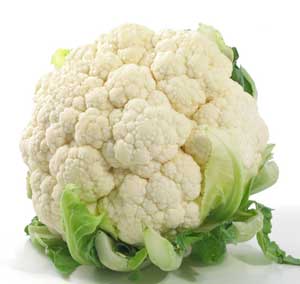
Cauliflower
Protects against Prostate Cancer
Combats Breast Cancer
Strengthens bones
Banishes bruises
Guards against heart disease 
Cherries
Protects your heart
Combats Cancer
Ends insomnia
Slows aging process
Shields against Alzheimer's

Chestnuts
Promotes weight loss
Protects your heart
Lowers cholesterol
Combats Cancer
Controls blood pressure
Chili peppers
Aids digestion
Soothes sore throat
Clears sinuses
Combats Cancer
Boosts immune system 
Figs
Promotes weight loss
Helps stops strokes
Lowers cholesterol
Combats Cancer
Controls blood pressure
Fish
Protects your heart
Boosts memory
Protects your heart
Combats Cancer
Supports immune system
Flax
Aids digestion
Battles diabetes
Protects your heart
Improves mental health
Boosts immune system
Garlic
Lowers cholesterol
Controls blood pressure
Combats cancer kills bacteria
Fights fungus 
Grapefruit
Protects against heart attacks
Promotes Weight loss
Helps stops strokes
Combats Prostate
Cancer Lowers cholesterol 
Grapes
Saves eyesight
Conquers kidney stones
Combats cancer
Enhances blood flow
Protects your heart

Green tea
Combats cancer
Protects your heart
Helps stops strokes
Promotes Weight loss
Kills bacteria 
Honey
Heals wounds
Aids digestion
Guards against ulcers
Increases energy
Fights allergies
Lemons
Combats cancer
Protects your heart
Controls blood pressure
Smoothes skin
Stops scurvy 
Limes
Combats cancer
Protects your heart
Controls blood pressure
Smoothes skin
Stops scurvy
Mangoes
Combats cancer
Boosts memory
Regulates thyroid aids digestion
Shields against Alzheimer's
Mushrooms
Controls blood pressure
Lowers cholesterol
Kills bacteria
Combats cancer
Strengthens bones
CyberLink Power DVD
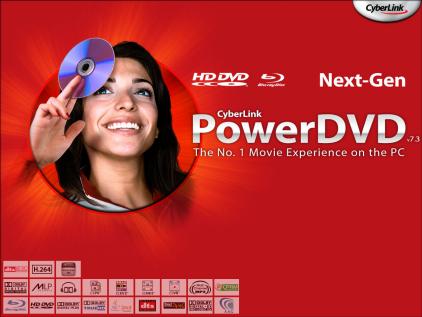
PowerDVD is the latest evolution of the world acclaimed DVD software program that offers maximum video and audio playback entertainment on the PC. It comes complete with numerous customizable video/audio controls that can deliver the highest quality viewing and listening experience. PowerDVD incorporates support for high-definition audio and video, true 8-channel home theater audio playback, virtual surround sound, as well as complete controls and extra features for DVD enthusiasts.
CyberLink enriches the high-definition movie experience with brand new PowerDVD 8, featuring support for interactive Blu-ray Disc and HD DVD features, home theater audio formats, and video file formats. New features let users extend the movie experience by building a database of movie info and trivia, writing movie reviews, rating their favorite movies, and creating movie remixes. A newly released web site dedicated to PowerDVD users allows the meeting and making of friends, and the sharing of movie information that can be synchronized with a user's own version of PowerDVD.
No. 1 DVD Experience on the PC now delivers New Dimensions in Movie Entertainment
* Indulge in the extreme quality of high-definition movies
* Explore high-definition Blu-ray Disc movies
* Remix your movies: create new stories to watch and share
* Build your own movie collection; write personal reviews
* Share a love of movies with new friends on MoovieLive.com
Enjoy High-Definition Movies
PowerDVD delivers award-winning playback quality for movies on the PC.
* High-definition movie content - The best video quality out there, with support for video formats like AVCHD and Blu-ray Discs.
* Advanced video technologies - See the beauty in each shot of every scene with TrueTheater™ Technology.
* Home theater audio - Enjoy movies on the PC as if you are right at the cinema, with support for Dolby, DTS, and other home theater technologies.
* Smart DVD utilities - Save battery power on your notebook (See-it-All), move language subtitles (Read-it-Clearly), and auto loop a section of dialog (Say-it-Again), with PowerDVD's award winning DVD controls.
Remix Your DVD Movies
PowerDVD lets you create new stories based on existing movies, or simply express your creativity and opinions in unconventional ways.
* Movie Remix - Put your own touches to a movie by re-ordering scenes, adding subtitles, inserting animated PiPs, and recording a voice-over.
* Watch other people's remixes - Download remixes from MoovieLive and see what other people have created.
* Share your remixes online - Upload your remixes to MoovieLive and let others share in your unique vision.
Collect Movie Information
PowerDVD helps you build a library of movie facts and figures, combining personal notes and disc information. Sync your movie collection to your MoovieLive account.
* Your movie collection - Create a collection of movies, and keep a record of your viewing experience. Gather data and trivia about the DVDs you watch.
* Reviews & ratings - Write reviews about the movies you've seen. Give a quick 5-star rating and compare that with what others like through the global rating.
* Quick movie stats - Quickly check how many PowerDVD users enjoy the same movies as you. PowerDVD lets you see the number of viewers, remixes made, reviews written, and DVD owners.
Connect via MoovieLive
PowerDVD gets you connected with other users via MoovieLive.com. You can see global ratings for the movies you watch, access information about the movies other people are watching too.
* Upload & download remixes - Download remixes to see different takes on a movie. Upload your own remixes to share with other PowerDVD users.
* Make friends - Find other people who are interested in the films you like, then get connected.
* Publish your thoughts - After writing a review of a movie, why not share your review with other PowerDVD users? MoovieLive lets you upload your review, and adds your ratings to the community's global rating.
* See what others have to say - Read reviews from other PowerDVD users and browse MoovieLive's database for tons of details about the movies you love (and loathe!).
CyberLink PowerDVD 8 offers complete multi-channel (4/6/7/8), S/PDIF and HDMI sound device support, including (but not limited to) devices from Analog Devices, Aureal, Creative, Cirrus/Crystal, CMedia, ESS, Fortemedia, KCTech, Philips/VLSI, Realtek, IDT, SiS, TI, Yamaha, VIA, and any other sound device that supports the Microsoft WAVEFORMATEXTENSIBLE interface.
CyberLink PowerDVD 8 supports Microsoft DirectX Video Acceleration (DXVA) in display chips or integrated chipsets from Intel, AMD, NVIDIA, SiS, and VIA/S3. Acceleration functions include Entropy Decode, Inverse Discrete Cosine Transform, Hardware Motion Compensation and Subpicture Alpha Blending units.
CyberLink PowerDVD 8 is fully optimized for multimedia instruction sets, such as AMD 3D Now! Professional, Enhanced 3D Now!, 3DNow!, Intel Streaming SIMD Extensions 2/3/4 (SSE/2/3/4), MMX, the Hyper-Threading technology, dual-core and quar-core CPU supported.
CyberLink PowerDVD 8 is compatible with new DVD-RAM, DVD-R/RW, DVD+RW, DVD-Multi, DVD-Dual, DVD-ROM/CD-RW combo drives, BD-ROM drives with IEEE 1394, USB 2.0, ATAPI, SCSI or CardBus interface, as long as the drive conforms to the SFF8090 command set and SBP-2 (if applicable).
CyberLink PowerDVD 8 is compatible with all Centrino, Socket 478, Socket 423, Socket 370, Slot 1, Socket A and Slot A chipsets from Intel, VIA, SiS, ALi, NVIDIA, and AMD. The features for hardware deinterlace and "Read it clearly" may need updated drivers to support them. If you find problems when using these features, please update your drivers to latest version and then try again.
CyberLink PowerDVD 8 is capable of high-definition audio decoding. However, due to the industries lack of common secure audio path technology, all protected audio content (eg. DVD-Audio, Blu-ray Disc) will force audio to be down-sampled to 48Khz/16bit output resolution. This constraint will be removed once an approved secure audio path is deployed for the PC ecosystem.
What's New in CyberLink PowerDVD 8:
Audio
* New! - Dolby Digital Plus*
* New! - Dolby TrueHD*
* New! - DTS-HD*
* DTS-ES*
* DTS Neo:6 (Discrete, Matrix)*
* DTS 96/24**
* AAC 5.1 Channel support**
* DTS**
* Dolby Digital 5.1
* Dolby Digital EX**
* Dolby Pro Logic IIx**
* Dolby Headphone**
* Dolby Virtual Speaker**
* TrueTheater™ - Surround (Multi-channel Environment Impression Mode)
* TrueTheater™ - Surround (Virtual Speaker Mode)
* TrueTheater™ - Surround (Headphone Mode)
* MLP lossless**
* SRS TruSurroundXT**
* Pitch scaling technology
* Audio equalizer presets
* Audio visualizations
* Direct 96/24 output
* MP3, WAV
Video
* New! - SMPTE VC-1 High-Definition Video*
* MPEG4 AVC (H.264) High-Definition Video**
* TrueTheater™ - Lighting (Adaptive lighting for video quality enhancement)
* TrueTheater™ - Stretch (Non-linear stretch technology)
* Video smart de-interlacing
Playback Formats
* New! - BD-ROM (Blu-ray Disc) playback*
* New! - BD-RE (Blu-ray Disc) playback*
* VCPS for DVD+VR with content protection
* CPRM for DVD-VR with content protection**
* DVD-Audio**
* External subtitles
* DVD files (DVD-Video, DVD-VR, DVD+VR) from any folder in your hard drive
Advanced Features
* New! - Movie Collection Support
* New! - Movie Remix
* New! - Integration with MoovieLive Service
* UPnP Support - Access your media from a Home Network**
* Say-It-Again - Automatically repeats the last movie scene
* See-It-All - Automatically speeds playback to show as much of the movie as possible
* Read-It-Clearly - Moves subtitles from the viewing screen
Download Links:
CyberLink Power DVD(Rapidshare) Part 1
CyberLink Power DVD(Rapidshare) Part 2
Health Tips
HEALTH TIP:
DRINK WATER ON EMPTY STOMACH
It is popular in Japan today to drink water immediately after waking up every morning. Furthermore, scientific tests have proven a its value. We publish below a description of use of water for our readers. For old and serious diseases as well as modern illnesses the water treatment had been found successful by a Japanese medical society as a 100% cure for the following diseases:
Headache, body ache, heart system, arthritis, fast heart beat, epilepsy, excess fatness, bronchitis asthma, TB, meningitis, kidney and urine diseases, vomiting, gastritis, diarrhea, piles, diabetes, constipation, all eye diseases, womb, cancer and menstrual disorders, ear nose and throat diseases.
METHOD OF TREATMENT
1. As you wake up in the morning before brushing teeth, drink 4 x 160ml glasses of water.
2. Brush and clean the mouth but do not eat or drink anything for 45 minutes.
3. After 45 minutes you may eat and drink as normal.
4. After 15 minutes of breakfast, lunch and dinner do not eat or drink anything for 2 hours.
5. Those who are old or sick and are unable to drink 4 glasses of water at the beginning may commence by taking little water and gradually increase it to 4 glasses per day.
6. The above method of treatment will cure diseases of the sick and others can enjoy a healthy life.
The following list gives the number of days of treatment required to cure/control/ reduce main diseases:
1. High Blood Pressure - 30 days
2. Gastric - 10 days
3. Diabetes - 30 days
4. Constipation - 10 days
5. Cancer - 180 days
6. TB - 90 days
7. Arthritis patients should follow the above treatment only for 3 days in the 1st week, and from 2nd week onwards - daily.
This treatment method has no side effects, however at the commencement of treatment you may have to urinate a few times.
It is better if we continue this and make this procedure as a routine work in our life.
Drink Water and Stay healthy and Active.
This makes sense .... the Chinese and Japanese drink hot tea with their meals ..not cold water. maybe it is time we adopt their drinking habit while eating!!! Nothing to lose, everything to gain...
For those who like to drink cold water, this article is applicable to you.
It is nice to have a cup of cold drink after a meal. However, the cold water will solidify the oily stuff that you have just consumed. It will slow down the digestion.
Once this "sludge" reacts with the acid, it will break down and be absorbed by the intestine faster than the solid food. It will line the intestine. Very soon, this will turn into fats and lead to cancer. It is best to drink hot soup or warm water after a meal.
A serious note about heart attacks: Women should know that not every heart attack symptom is going to be the left arm hurting.
Be aware of intense pain in the jaw line.
You may never have the first chest pain during the course of a heart attack.
Nausea and intense sweating are also common symptoms.
60% of people who have a heart attack while they are asleep do not wake up.
Pain in the jaw can wake you from a sound sleep. Let's be careful and be aware. The more we know, the better chance we could survive...
TypingMaster Pro 7.0
Typing Master Pro 7.0 Free Download
Posting a request from my seat mate in a training center
Your Personal Typing Tutor
Meet TypingMaster Pro, the personal touch typing tutor that adapts to your unique needs. The program provides customized exercises and helpful feedback to guide you step by step to professional keyboarding. As a result your typing speed will increase significantly saving you a lot of valuable work time.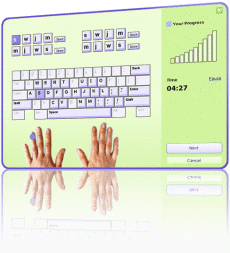
And for the download link:
TypingMaster Pro Freedownload (easyshare)
and if you were asked for a password while extracting:
password : www.ultimatewarez.net
Well thats all.. If you guys have any question regarding this post, please leave a comment and I will do my best to answer all of them.
ENJOY!
How To Make Your PC Faster for Gaming
Tuning Your PC for Gaming (XP)
This is a nice tutorial on tweaking XP for Best Gaming Experience. Hope this will help....
1. Disabling useless processes & Windows features.
*******************************************
Windows XP has came with quite a few new but extremely useless and memory hogging features that constantly run in the background and slow your system down.
Some of the features that should be disabled are automatic updates, system restore and remote assistance.
To disable these 3 fairly useless services...
1. Hit Start
2. Select Control Panel
3. Select Performance and Maintenance
4. Select System
5. Select System Restore Tab
6. Check "Turn off System Restore"
7. Select Automatic Updates tab
8. Select "Turn off automatic updates"
9. Hit the Remote tab
10. Uncheck "Remote Assistance" & "Remote Desktop"
Now that the three main Wind0ws features that severely hog your PC's power are disabled, its time to move onto the numerous other Windows processes that further drag down your system.
1. Hit start
2. Select Control Panel
3. Select Administrative Tools
4. Select Services
Now there should be a large list of services and a lot of them are running on your system right now.
A lot are vital for running Windows and a lot are completely useless.
The average PC user will have about 27 of these processes running all the time, more than half of them she/he does not need.
Now for a standard PC with maybe a printer & a broadband connection and no fancy networking, routing or any advanced peripherals and wireless devices, the following services should be set as disabled.
To disable a service, double-click it and set the Startup Type drop-down menu as "Disabled" then click "apply" and "ok" and move onto the next.
Automatic Updates
ClipBook
COM+ Event System
Creative Service for CDROM Access (If you have a Creative soundcard)
Cryptographic Services
Distributed Link Tracking Client
Distributed Transaction Coordinator
DNS Client (Do NOT disable if your on a Dial-up internet connection)
Error Reporting Service
HID Input Service
Indexing Service
IPSEC Services
Messenger
MS Software Shadow Copy Provider
NetMeeting Remote Desktop Sharing
Network DDE
Network DDE DSDM
NVIDIA Display Driver Service (For nVIDIA card users)
Performance Logs and Alerts
Portable Media Serial Number
Print Spooler (Only if you dont have a printer)
QoS RSVP
Remote Desktop Help Session Manager
Remote Registry
Routing and Remote Access
Security Accounts Manager
Server
Shell Hardware Detection
Smart Card
Smart Card Helper
System Event Notification
TCP/IP NetBIOS Helper
Telnet
Terminal Services
Themes (If you are not bothered about fancey looks for your desktop)
Upload Manager
WebClient
Wireless Zero Configuration
WMDM PMSP Service
WMI Performance Adapter
Workstation
Note that everyones system is different so don't be wondering why some services in the list above are not on your list.
Now that you have disabled those Windows services, its time to clean up your startup programs and system tray...
1. Hit Start
2. Hit Run
3. Type "msconfig" without the quotes and hit enter
4. Hit Startup tab
5. Click on "Disable All"
6. Press Apply then Ok and answer YES to reboot your PC.
Now you don't have all that junk starting up when Windows starts and I can guarantee you that you'll notice a phenomenal power boost that will be equally as noticeable in games.
2. Optimizing your Windows Page file.
*******************************
Wind0ws uses whats called a page file to act as RAM for file swapping duties and the-like & is vital for games.
The pagefile itself is harddrive space taken off your harddrive and kept in the pagefile itself so for example if my harddrive is 20GB and I set my pagefile to 1GB then my HDD would suddenly become 19GB in size.
To edit Windows pagefile...
1. Click Start
2. Click Control panel
3. Click System
4. Click Advanced tab
5. Click "Settings" for the "Performance" section
6. Click Advanced tab
7. At the bottom, click "Change"
8. Check the "Custom Size" box
9. Set your pagefile usng the following uide...
If you have...
128MB of RAM - set to 1500MB
256MB of RAM - set to 1000MB
512MB of RAM - set to 700MB
1GB of RAM - set to 500MB
3. Cleaning up your system.
***********************
Now its time to give your system a spring-clean and free from unused invalid light bulb that litters many PC users systems and over time can lead to configuration problems and nasty software conflicts and slightly slow application response rates.
You'll need to download the following free programs and install them...
Ad-Aware http://majorgeeks.com/download506.html
Spybot S&D http://majorgeeks.com/download2471.html
Reg Seeker http://majorgeeks.com/download2579.html
light bulb Cleaner http://majorgeeks.com/download4191.html
Cacheman (A must-have utility for people with 512MB RAM or less) http://majorgeeks.com/download308.html
Hijack This http://majorgeeks.com/download3155.html
Now then, to get the most out of these program, you must configure them correctly...
Ad-Aware and Spybot S&D are pretty well configured to begin with so i'll go straight to light bulb Cleaner...
1. Open light bulb Cleaner
2. Click Windows tab
3. Tick all boxes except "menu Order Cache & Windows Size/Location Cache
4. Click Applications tab
5. Tick everything
6. Click Issues tab
7. Click everything
8. Click Options button
9. Click Settings tab
10. Uncheck the box that reads "Only delete files in Windows Temp folder older than 10 days"
11. Click ok and exit the program.
Now open Cacheman...
1. Click on the Settings button
2. Click the "RAM" icon
3. Under "Memory Ammount", set it to "User defined" then move the slider as far to the right as it goes
4. Uncheck all four boxes but leave "Extreme recovery mode" checked
5. Click the "Optimization" tab at the top
6. Check both "Disable executive paging" & "Unload DLL's from memory"
7. Exit the program and answer "yes" to save settings and answer yes to the reboot prompt.
Ok now that you've tweaked your programs to work at there best, its now time to use them...
NOTE: No other programs should be running while you run the programs so bookmark this page and exit IRC or whatever other programs you have running and come back here when your done.
Open and run the following programs in the following order...
Ad-Aware
Spybot S&D
light bulb Cleaner
Reg Seeker
Hijack This
Ok now your back, your PC should be alot more clutter free but these programs never do a complete job of it so its now time to manually clean your Windows up...
1. Look on your desktop and delete any icons & shortcuts that you no longer need or use or have its software uninstalled
2. Go into your start menu and do the same thing
3. Go into Control panel
4. Go into Add or Remove programs
5. Uninstall any programs that you no longer use or want from the list
6. Go into your Program Files folder typically located at C:\Program Files
7. Delete all files and folders that relate to programs or games you uninstalled or do not want any longer.
4. Configuring your systems BIOS for maximum gaming power.
************************************************** *
Accessing your systems BIOS varies from PC to PC but typically its a good 10 second hammering of the Del or F1 key while Windows is booting up.
BIOS vary from motherboard to motherboard but modern gaming boards will have a lot more options in them than basic motherboards like Dell PC's have which is why I'm not going to be specific, rather just point out the general things to change that I think most PC's will have.
AGP Aperture size should be set to the highest possible.
AGP mode should be set to 8.0 or how high it can go
AGP Fastwrite should be enabled
USB 2.0 controller mode should be set to "Fullspeed" if you have USB 2 ports on your PC
Any performance enhancing options that many, many gaming boards have should be set to there maximum for example my Asus K8V SE board has an option where I can set the overall speed of my PC to "slow", "normal", "fast" or "turbo". Obviously the Turbo option is going to produce more thermal output on my CPU, RAM & motherboard but its not really enough to worry about especially if you have fans in your case.
5.Updating your system drivers.
***************************
Updating your systems drivers is vital for squeezing as much performance out of it as possible, especially sound card and graphics card drivers.
Here is a list of driver links for the different components from all the major manufactures...
Graphics card
-----------------
nVIDIA http://nvidia.com/content/drivers/drivers.asp
ATI http://ati.com/support/driver.html
Sound cards
---------------
Creative Soundblaster http://creative.com/support/
Windows Updates
--------------------
1. Hit Start
2. Click on Windows Update icon
Now it will take you to the Microsoft website and will scan your system and come up with a list of recommended updates.
Alot of these updates are rubbish and unnecessary. I cannot be specific about what not to download and what to download since everyones PC is different but updates such as language packs and stuff like that.
Critical update patches for Windows Media player and stuff like that should be downloaded and so should Microsoft .NET framework since a lot of software nowadays relies on this code.
Remember that uninstalling previous drivers before installing new ones is highly recommended since it ensures a bug-free crashless install.
Heres how to PROPERLY uninstall drivers...
1. Go into add/remove programs
2. Uninstall the driver you want from the list
3. GO into your Program Files folder and delete all folders and files associated with the driver you have just uninstalled
4. Delete any start menu entries associated with the deleted driver
5. Run Reg Seeker
6. Run light bulb Cleaner
7. Reboot your system and then install the latest driver
I would of made links to motherboard drivers but I find updating mobo drivers to be quite a risky and an often unsuccessful procedure and to cover it in this guide would take up far too much time.
If you would like to update your BIOS, there are many guides out there, one I recommend would be BIOS Guide from the trusty tweaktown.com website which I highly recommend also.
6. Tweaking your nVIDIA card.
*************************
I'm sorry ATI owners but I have only had experience with nVIDIA cards so my instructions wont be perfect to follow but should be ok as the two cards GUI is pretty similar.
To access your nVIDIA cards options...
1. Right-click on your desktop & select Properties
2. Click Settings tab
3. Click advanced button
4. Click on the tab that reads your graphics card name, i.e GeForce FX 5600 for me.
5. On the pop-up menu on the left, click on Performance & Quality"
6. Set Antialiasing to off
7. Set Anisotriopic filtering to off
8. Set Image quality to high and if your card is good then set to maximum
9. Set v-sync to off
10. Set Force Minimaps to "none"
11. Set Conformant texture clamp to off
12. Go into the Direct 3D section
13. Set Max frames to render ahead to 0
Your card is now set to give the best balance of image quality and performance.
7. Tips.
******
Here are some tips to maintain your PC at its full potential forever...
1. Run them programs often, especially when you've been making alot of changes or have been installing/uninstalling alot of software on your PC.
2. Run Cacheman before you play games and recover as much RAM as possible so you can get smoother gameplay.
3. Setting games to "High CPU Priority" in Windows Task Manager can sometimes give noticeable performance gains.
4. Try to keep your files and folders organized so that your PC is as clutter free as possible.
5. Exit all programs and applications such as MSN messenger or IRC before you play games to maximizes gaming performance.
Tips About Handwritings
- If letters slant to the left: Indicates introspection and a lot of emotional control.
- If letter slant to the right: Reveals a person who's outgoing, friendly, impulsive, and emotionally open.
- If letters are straight up and down: The sign of someone who's ruled by the head, not the heart.
- Letters that slant in more than one direction: Indicates versatility and adaptability.
- An erratic slant: Usually means a lack of flexibility.
- Heavy pressure writing (like you can feel the rib made on the back of the paper): The writer is agitated.
- Moderate pressure (the writing is dark, but you can't feel the rib on the other side of the paper): Shows ability to deal with stress.
- Light pressure: Indicates someone who seems to take life in stride.
- Tiny letters: Indicate the writer is has somewhat low self esteem but is intelligent.
- Small letters: The hallmark of quiet, introspective types - they're generally detail-oriented and have good concentration.
- Large letters: Sign of a confident, easygoing individual.
- Huge letters: Indicate someone who's theatrical, usually loud, and needs to be the center of attention at all times.
- Wide letters (their width and height are about the same): The mark of someone who's open and friendly.
- Narrow letters: Show someone who's somewhat shy and inhibited but very self-disciplined.
- Letters that don't touch: Indicate an impulsive, artistic, sometimes impractical free thinker.
- Some letters connecting: Means the writer's personality blends logic and intuition.
- All letters making contact: The sign of someone who's highly cautious.
- A curved first mark: Shows a person who's traditional and plays by the rules.
- A straight beginning stroke: Reveals someone who's rigid and doesn't like being told what to do.
- A final stroke straight across: The writer is cautious.
- An end mark that curves up: Reveals generosity.
- Perfect penmanship: The hallmark of a communicative person.
- An indecipherable scrawl: Indicates a person who's secretive, closed-up and likes to keep his thoughts to himself
How Do Dinosaurs Fight
How Do Dinosaurs Fight ?
While I was searching about some random stuffs I accidentally found an interesting article about dinosaurs and how they fight. I will share a portion of it and if you want to learn about more on how dinosaurs fight check out the site where I got this. (source: By Bob Strauss, About.com )
Offensive Dinosaur Weapons
It's a simple matter to distinguish between offensive and defensive dinosaur weapons: offensive weapons (like sharp teeth and long claws) were found almost exclusively on carnivorous dinosaurs, which preyed on gentler herbivores, while defensive weapons (like armor plating and tail clubs) were evolved by herbivores in order to fend off attacks by carnivores. A third type of weapon was employed mostly by plant-eaters: sexually selected adaptations (such as sharp horns or thickened skulls) wielded by males of the species to dominate the herd or compete for the attention of females.
Here's a rundown of the offensive weapons used by carnivorous dinosaurs:
Teeth. Carnivorous dinosaurs like T.Rex and Allosaurus didn't evolve big, sharp teeth merely to eat their prey; like modern cheetahs and great white sharks, they needed these choppers to deliver quick, powerful, and (if they were delivered in the right place) fatal bites. We'll never know for sure, but based on analogy with modern carnivores, it seems likely that these ancient predators aimed for their victims' necks and bellies, where a strong bite would cause the most damage.
Claws. Some carnivorous dinosaurs (like Baryonyx) were equipped with large, powerful claws on their front hands, which they presumably used to slash at prey, while others (like Deinonychus and its fellow raptors) had single, oversized, curved claws on their feet. It's unlikely that a dinosaur could have killed its prey with claws alone; these weapons were probably used to grapple with opponents and keep them in a "death grip."
Eyesight and smell. The most advanced predators of their day (like the man-sized Troodon) had large eyes and relatively advanced binocular vision, which made it easier for them to zero in on prey. Some carnivores also had an advanced sense of smell, which enabled them to scent prey from far off (though it's also possible that this adaptation was used to track down already-dead carcasses).
Momentum. Tyrannosaurs were built like battering rams, with enormous heads, thick bodies, and powerful legs. Short of delivering a fatal bite, an attacking Daspletosaurus could knock its victim silly, provided it had the element of surprise. Once the unlucky Stegosaurus was lying on its back, stunned, the tyrannosaur could move in for the quick kill.
Speed. This adaptation was shared equally by predator and prey, making it a good example of an evolutionary "arms race." Since they were smaller and more lightly built than tyrannosaurs, raptors must have been especially quick, which created an evolutionary incentive for the herbivores they hunted to learn to run faster as well. As a rule, carnivores were capable of short bursts of high speed, while herbivores could attain a slightly less brisk pace for longer periods of time.
Bad breath. This may sound like a joke, but paleontologists believe that the teeth of some tyrannosaurs were shaped so as to purposely accumulate shreds of dead tissue. As these shreds rotted, they bred dangerous bacteria, meaning any non-fatal bite would result in an infected, gangrenous wound. The unlucky herbivore would drop dead in a few days, at which point the same tyrannosaur (or others of its kind) feasted on its carcass.
Pixel Art: How To's
Pixel Art Guides and Tutorials
What is Pixel Art?
Pixel art is distinguished from other forms of digital art by an insistence upon manual, pixel-level editing of an image (without the application of image filters, automatic anti-aliasing or special rendering modes), often at close magnification. In this form, it is commonly said that "each pixel was placed carefully" to achieve a desired result.
Purists within the pixel art scene hold that "true" pixel art should only be created from tools that place individual pixels (such as the 'pencil' tool), and that pixel artists should avoid all other tools including line, Bezier curve, circle and rectangle. Others counter that tools such as line and bucket-fill are acceptable as their functions could be just as easily, if not as quickly, replicated on an individual pixel basis.
Because of this rule, image filters (such as blurring or alpha-blending) or tools with automatic anti-aliasing are considered not valid tools for pixel art, as such tools calculate new pixel values automatically, contrasting with the precise manual arrangement of pixels associated with pixel art. (source: http://en.wikipedia.org/wiki/Pixel_art )
Pixel Art Tutorials and Links
Derek Yu - Ten part in-depth pixel tutorial using photoshop
Mark’s Pixel Art Tutorial - This guide is intended for those new to working with pixels - if you already know what you’re doing, you shouldn’t be here
Matriax Pixel Art Tutorials - A collection of different tutorials
The complete guide to Isometric Pixel Art - Excelent tutorial on isometric pixel art
Flip Flop Flying - Pixel head tutorial
Pixel Freak - This tutorial will try to help you create pixel art, Isometric Pixel Art - the word isometric means “of equal measure”
Sprite Art - A collection of tutorials from various artists
Pixel Patterns - Create tilable patterns
Drububu - Pixel Art Tutorial
GJ Designs - A number of pixel art tutorials
Zoggles - A number of pixel art tutorials
Jobs 101: A Guide On How To Find The Right Job
How To Find The Right Job?
Although it is relatively easy to find a job in a growing economy, landing a suitable job with the right company still takes a lot of soul-searching, preparation and skill. Learning to sell yourself in competitive marketplace remains essential to the job seeker.
Choosing A Career
The first step you must take towards finding the right job is to decide on an appropriate career path. Most people have their own personal set of criteria for choosing their career. What is essential is that your career choice is well thought out, taking into consideration a long-term vision of yourself. Although it is preferable to make your choice as early as possible (even before graduating), career shifts are not impossible and often necessary. In this ever-changing environment, whole industries and job categories sometimes become obsolescent.
In making your decision, consider the following tips:
Seek the advice of family and friends. Oftentimes your family and friends know you better than anyone else. It is likely that your parents have been through the same experience you’re going through and they have some insights on the advantage or disadvantage of particular careers. Many times however, the advice offered can be tainted by certain personal biases. It is important to keep in mind that pleasing the family should not be the major factor in determining your career path.
Listen to your teachers and career advisers. Most schools have placement offices that offer guidance on this matter and their opinions are often objective. Don’t miss those organized seminars on careers and take advantage of the presence of resource speakers to get insights on specific careers and jobs.
Listen to yourself. Probably the most important factor to consider is yourself and what you consider as fulfilment. Think about what interests you and what you do best and use the insights in establishing a “vision statement” for yourself. This exercise will help you visualize what you want to become in the future. Your career or job is just one of the components in that vision. But having a vision statement can help you plan a career with a long-term goal in mind. It’s easier said than done, but nevertheless it is the best way to start your career search.
Defining a Career
Listed below are some broad career categories that you can choose from the outset.
Secretarial/Clerical - Includes clerks, receptionists, secretaries, assistants and administrative staffs. Nearly all companies and organizations employ clerical staff.
Creative/Literary - Includes artists, copy writers, journalists, writers, designers, graphic artists and illustrators. Advertising agencies, broadcast and print media and interior design companies are some of the most common employers in this category.
Banking and Finance - Includes financial analysts, accountants, bookkeepers and statistician. Most companies have finance groups that include accounting departments and treasury units. Banks, investment houses and corporate holding companies hire a lot of analysts as well.
Sales & Marketing – Includes sales executives, representatives, merchandisers, brand managers, marketing service staff and advertising executives. There are companies that specialize in marketing consumer goods like soaps, detergent and shampoo. And there are companies that market services and industrial products to other businesses.
Information/Computer Technology – Includes computer operators, system analysts, software and hardware specialists. A high-growth area, almost all companies use computers to streamline their operations and process management information. There are groups that act as system consultants for other companies that are not interested in establishing permanent systems and/or IT groups.
Social Welfare/Teaching – Includes social workers, counsellors, teachers and volunteers. The government, non-government organizations (NGOs) and schools are the chief companies in this category.
Production/Manufacturing – Includes industrial, mechanical and/or electrical engineers, production staff and construction specialists. Manufacturing companies include those that make consumer products and those that specialize in producing industrial machinery for other businesses.
Professional Consulting – Includes management consultants, engineering consultants, computer consultants, doctors and architectural and interior design services.
Servicing – Includes those involved in the operation of hotels, restaurants, travel agencies, maintenance agencies, personal and recruitment agencies.
BPO (Business Process Outsourcing) / Call Center – Divided into two categories: back office outsourcing, which includes internal business functions such as billing or purchasing, and front office outsourcing, which includes customer-related services such as marketing or tech support. The endless opportunities IT provides, stimulates (cross-border) BPO activities.
The above is not a complete listing but it gives you an idea of some of the more common career categories. Many graduating students may feel constrained into choosing careers that have something to do with their college degree. Occasionally you may hear about an electrical engineer becoming a banker or stock broker, or an accountant going into sales and marketing. It is often the case of a change of personal goals or visions but what is important is that you like what you’re doing and you feel fulfilled.
Resume Writing
A resume goes by many names like curriculum vitae or bio-data. It also comes in many forms, from the computer-composed and laser printed versions to the handwritten notes in yellow pad. What it should be is a short account of your qualifications as a job applicant. The key word in the definition is short. No matter how good you are, keep the resume within two pages at the most and one page if you don’t have work experience.
Because it is one of the most important documents sought from a career seeker, it makes sense to have a well-written and neatly printed resume. Toss away that bio-data form you bought from the neighbourhood store. There are a lot of desktop publishing services that can help make your resume attractive. Remember that the resume is usually the first contact between you and an employer and that first impression can have a direct bearing on the outcome of your application.
Your resume should be divided into five sections:
1. Name/contact numbers – Indicate your full name, address, phone numbers, e-mail address, date of birth, place of birth, height and weight. Make sure that you can be easily reached in the address and phone numbers indicated. If you can’t be easily reached, you might consider investing on a mobile phone so that you don’t miss that all important call for an interview. Typographical errors in this section (or any section for that matter) can have disastrous results, so proofread your resume carefully!
2. Education – Start this section with the most recent educational level achieved. You can indicate your school honours and other achievements in this section. Don’t forget to mention your participation in school organizations, projects, or socio-civic activities. This gives employers an idea of your management and leadership capabilities.
3. Employment – Although most students have little or no full-time work experience, you may include apprenticeships, summer jobs, part-time work, etc. Working as a food-server in a fast-food outlet for example teaches you valuable lessons in customer relations and many employers appreciate this.
4. Other Skills – Indicate your complementary skills like knowledge of a foreign language or seminar certificates in computers, management, etc.
5. Interests/Hobbies – Employers prefer well-balanced individuals busy with academics and extra-curricular activities so make sure you mention your interests, sports or hobbies.
Some job seekers indicate their work preference or desired career path in their resume. This is quite acceptable and you may insert this right after your personal details. It is also normal for companies to request a passport size photograph to accompany your files. Remember, faces are easier to remember than names or words so it is strongly recommended that you attach your photo to your resume.
You don’t need to include specific references in your resume but do prepare a list of about five references with their phone numbers just in case you are required to do so. Most companies prefer that you don’t use relatives as references.
Application Letters
A resume is usually accompanied by a short application letter. The application letter acts as your formal introduction and statement of your intentions. It should briefly explain the following:
How you came to know about the job vacancy
What position you are applying for and why you think you are qualified
What is the easiest way to reach you
Sometimes it’s advisable to revise your resume or application letter depending on the target company and position, focusing on relevant responsibilities and experiences. Your application letter can also include the reasons why you’re interested in the position.
It certainly pays to follow up your application letter by calling. Many recruiters even see follow-up calls as a measure of your enthusiasm.
You can expect some negative replies to your applications that begins with “We regret to inform you...” In the language of veteran job-seekers these are called “ding” letters or “regrets”. These can hurt the ego somewhat but you should not be discouraged. Again the key is to keep sending out your resume as often as possible.
Preparing For The Interview
After sending out tons of application letters and resume, you’re bound to get a few “hits”. Hits are those ego-boosting letters or calls from companies inviting you for an interview. You’re likely to get more “dings” (regret letters) than you get hits, so be prepared. If you’re not getting that many interview appointments, don’t be distressed. It takes time (sometimes weeks) for companies to process applications and finally get around to calling or writing you.
When you finally get that invitation for an interview, you may feel happy and excited but for many, it’s the start of the most nerve-wracking part of seeking jobs. Unfortunately, if you are noticeably nervous during the interview it could affect your interviewer’s impression. Being prepared will certainly minimize the fear and anxiety so make sure do the following:
1. Collect basic information. Do a little research on the company you’re visiting and find out what products or services they offer. Read up on any relevant articles you see in papers. Ask your friends and advisers what they know about the company. Recruiters are always proud about their company so expressing a little knowledge about their company will help you make an impression.
2. Look good and feel good during the interview. Many recruiters have a portion in their interview sheet that pertains to grooming, so having a neat and clean appearance does count a lot. Obviously, being late for an interview will add to your anxiety (and sweat) and that shows during the interview, not to mention the demerits you’ll get from the interviewer for being late. If you aren’t sure of what to wear remember that it’s better to be a little over-dressed than under-dressed.
3. Prepare all needed documents. Usually, you’ll be required to bring your transcript of records and to fill out an application form with information on your social security number, tax id, etc. so have these details on hand. Having a copy of your resume will help you recall details (like graduation dates) on your educational background that are standard in all application forms.
4. Review you resume. Anticipate what questions the interviewer may have regarding your experiences. Don’t try to memorize you resume, what the interviewer usually needs is for you to expound what you’ve written.
5. Practice. A little role-playing helps a lot. Prepare some standard questions you may receive and then let a friend sit in as a make-believe interviewer. You’ll get the chance to rehearse your answers and receive comments from your partner on how you’re doing. Some interviewers may ask some technical questions on your field so read up on your definitions (e.g., What are the four Ps of Marketing).
Interview opportunities shouldn’t be taken lightly. Good preparation can reduce your anxiety and will definitely enable you to give your best during these rare moments. That extra effort in preparation will spell the difference between getting a job offer and rejection.
Attending The Interview
The day has arrived and you find yourself sitting in front of your interviewer. You’ll want to keep the following in mind.
1. Relax. You’ve gone that far, you might as well force yourself to settle down and smile. Imagine that you’re conversing with a friend. Speak in the language you’re most comfortable with, although you may want to seek permission just to make sure your interviewer understands you.
2. Maintain eye contact. It helps leave a more confident impression.
3. Listen carefully. Understand you interviewer’s question before attempting to answer it. Take a deep breath before replying; not for a dramatic effect but because it gives you a little time to think abut your answer. The first few questions are usually critical because it sets the mood. When you start right, you’ll see yourself relaxing as the interview goes on.
4. Get to the point. Never consciously try to impress the interviewer; you’ll only end up sounding boastful. Get to the point and answer his questions concisely and then explain further if there is a need to. When asked about your salary expectations, don’t hesitate and answer him confidently but don’t give an outrageous figure.
5. Ask questions. Towards the end of the interview, take the time to ask questions about the company. Aside from giving a good impression to the interviewer, asking questions gives you the chance to evaluate the company, the position and attractiveness of the industry. An important aspect in you evaluation is the company’s organizational set-up and the people you will be reporting to. If there are still some of your strong points not mentioned yet, you may want to bring them up at this time.
After The Interview
The interview process doesn’t end with the first interview. There can be several more interviews within the same company, so never become over confident and think that you’ve got the job in the bag. Be hopeful but don’t stop your letter-writing and interviewing activities with other companies.
One way to help you get a “call-back” or a second interview invitation is by sending a letter the next day to your interviewer thanking him for his time. It’s a good way to leave a subtle follow up.
Finally, when those job offers start pouting in, don’t jump at the very first offer and make a promise to work tomorrow. You’ve got to evaluate their offer very carefully. Most of the time, the company making an offer can give you a week to think about it so do take the time! Consider the benefits and whether the position gives you the career growth you’re aiming fir. This is where the soul-searching part comes in. All the tips in the world won’t make this decision any simpler.
